Most ecommerce brands have something they call a retention strategy.
They have post-purchase emails. They send promotions to previous customers. They might have SMS, a loyalty program or a subscription offer. Someone on the team watches repeat purchase rate and reports on returning customer revenue.
Those things all matter. But a collection of retention tactics isn't the same as a retention system.
The brands that are genuinely good at retention have several layers working together. They know what returning means in the context of their business. Their product and customer experience give people a reason to come back. Their channels keep the relationship going between purchases. And they have enough control over that relationship to reach their best customers when it matters.
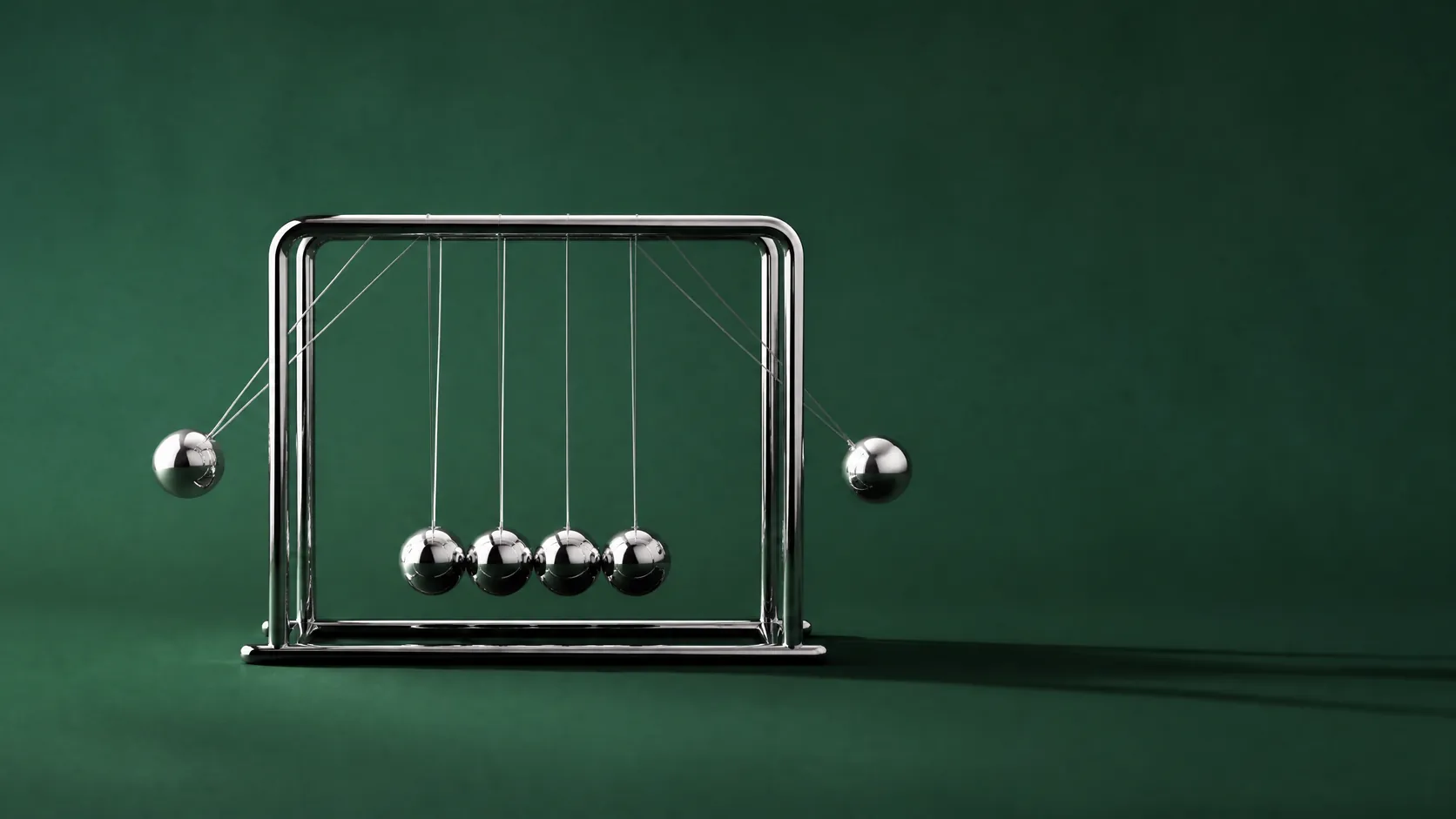
No single part creates strong retention on its own. Together, they change the entire shape of the business.
Retention means something different for every brand
Retention sounds like a universal concept. In practice, it describes a different customer behavior for every business.
The category sets the rhythm
An F&B brand might want its best customers ordering every week. A beauty brand might be trying to capture every refill. A fashion brand may care less about replenishment and more about bringing customers back for each new season or collection.
These are all retention, but the shape of the relationship is completely different.
A customer who hasn't bought coffee for two months may be lost. A customer who hasn't bought a winter coat in two months probably isn't. The product determines when another purchase makes sense, what might trigger it and how often the brand has a credible reason to get in touch.
This is why broad retention benchmarks only tell part of the story. A high repeat purchase rate can be ordinary in one category and exceptional in another. The useful comparison is between the behavior a brand should reasonably expect and what its customers are doing.
Strong retention brands know what returning looks like
At a high-performing retention brand, there is a clear view of the customer behavior that matters.
It might be the percentage of first-time buyers who place another order within 60 days. It could be how many customers buy their next refill from the brand rather than somewhere else. For a seasonal business, it might be the number of customers who return across multiple collections during the year.
That definition gives the rest of the retention system something concrete to support. The product experience, communication cadence and channel mix all make more sense when the brand knows what it wants customers to come back for, and roughly when that return should happen.
The product and customer experience do most of the work
Retention often gets handed to the lifecycle marketing team. But most of the reasons a customer returns, or doesn't, exist before another email is sent.
There is a natural reason to buy again
Strong retention starts with a product customers want to keep buying.
For a consumable brand, the repeat purchase is built into the product. The customer runs out and needs more. Other brands create a natural next step through complementary products, a broader catalogue, new releases or seasonal collections.
The mechanism varies, but the common thread is that the next purchase makes sense. The customer isn't returning simply because a discount appeared at the right time. There is another problem to solve, another product they want or another part of the brand worth experiencing.
The strongest brands make that next step easy to see. A customer who bought the entry product understands what comes after it. Someone who found one style they love has a reason to pay attention to the next drop. A customer reaching the end of a product knows exactly where to get their refill.
Nothing in the first experience pushes the customer away
Giving customers a reason to return is only half of the foundation. The first experience also has to avoid giving them a reason not to.
The product has to live up to the promise made before checkout. Delivery needs to happen when the brand said it would. The customer needs to understand how to use what they bought. If something goes wrong, support needs to resolve it without turning a small problem into a permanent reason to leave.
These details can look like product, operations or customer service issues. They are also retention issues.
A replenishment reminder won't help if the customer didn't like the product. A loyalty reward won't undo a painful return. A polished post-purchase flow can't compensate for an order that arrived late, damaged or completely different from what the product page led someone to expect.
High-retention brands tend to be good at the unglamorous parts of ecommerce. The promise is clear, the product delivers and the experience gives the customer confidence that buying again will be easy.
Retention channels keep the relationship alive
Even when the product is naturally repeatable, customers don't spend every day thinking about their next order.
There may be weeks or months between the first purchase and the next relevant buying moment. Retention channels fill that space.
The relationship continues after checkout
The best post-purchase communication isn't a countdown to the next promotion. It helps the customer get more from what they bought and keeps the brand relevant until another purchase makes sense.
For one brand, that might mean education and usage advice. For another, it could be recipes, styling ideas, community content or an early look at what is coming next. Closer to the natural repurchase point, the communication can become more commercial: a refill reminder, a relevant recommendation, a new collection or a product coming back into stock.
The rhythm follows the product. A weekly consumable purchase creates more legitimate reasons to communicate than a seasonal fashion purchase. High-performing brands understand that difference. They stay present without manufacturing urgency every few days.
Each channel plays a different role
Email remains the workhorse for most retention programs. It offers room for education, storytelling, recommendations and regular promotional campaigns. SMS is more immediate, which makes it useful for messages where timing matters, but also makes irrelevant messages more intrusive.
Social keeps the brand visible and gives customers a way to remain part of its world between purchases. Retargeting ads provide another route back to people who have stopped opening messages or visiting on their own.
These channels work best as a mix. The same promotion copied into an email, text, social post and ad isn't much of a system. Strong retention brands use each channel for the job it is suited to, while keeping the overall conversation coherent.
The strongest brands control the customer relationship
Email, SMS, social and retargeting are all useful. They also come with an intermediary.
Most channels offer access, not complete control
An email list is more valuable than a social following because the brand can contact those customers directly. But inbox providers still decide where the message lands. Social platforms decide how many followers see a post. Retargeting works for as long as the brand keeps paying for the impression. SMS is direct, but it is increasingly expensive and easy to overuse.
This doesn't make any of these channels bad. It means that even a mature retention program can depend heavily on other companies for access to customers the brand has already paid to acquire.
High-performing retention brands reduce that dependence where they can. They create more ways for customers to stay connected and make it easier for the most engaged customers to come back without passing through another platform first.
A mobile app creates a more direct line
This is where a mobile app changes the retention setup.
An app gives the brand a permanent place on the customer's phone. Push notifications provide a direct, permission-based way to communicate without competing in an inbox or paying to reach the same customer again through an ad.
It also gives the relationship a home. The customer can stay logged in, keep their preferences and account information, see loyalty benefits, return to a saved cart and move through checkout with less friction. Replenishment reminders, new releases, restocks and member offers can lead straight back into the shopping experience.
The app isn't a substitute for a strong product, a good experience or the rest of the retention mix. If customers have no reason to return, another icon on their phone won't create one. And if the app is a worse version of the website, it introduces another reason to leave.
For a brand that already has repeat demand, however, an app adds something the other channels can't fully provide: a direct environment for its best customers and more control over how the relationship develops.
That's the retention edge relatively few brands have.
Retention changes the shape of the business
The full retention engine is easy to miss because it doesn't live in one platform or belong to one team.
The parts reinforce one another
It starts with a clear idea of what retention means for that particular product and category. The product gives customers a natural reason to buy again. The customer experience protects that next purchase. Retention channels keep the brand relevant between orders. More direct channels give the brand greater control over reaching the customers most likely to return.
Each layer makes the others more valuable.
A good replenishment product creates a reason for a timely push notification. A strong first experience makes the customer more receptive to the next email. An app makes it easier for an engaged customer to act on a new release. None of these interactions has to do all the work on its own.
The business carries more momentum forward
A business with weak retention is always replacing the customers who disappear. Every month begins with another acquisition target and another bill for generating demand.
A high-retention brand doesn't start from zero. Some of this month's buyers become next month's buyers. A product launch begins with an audience that already knows the brand. Acquisition still matters, but each new customer has the potential to contribute more than a single order.
That makes the business easier to run. Revenue becomes more predictable. Inventory decisions have a stronger base of existing demand. The brand can rely less on constant discounting. It can spend more confidently on acquisition because the economics aren't resting entirely on the first purchase.
This is what a retention-first brand looks like. Customers come back because the product gave them a reason to, the experience didn't give them a reason not to, and the brand stayed connected until the next purchase made sense.
The retention engine was there all along. The advantage comes from having every part of it working together.