A customer can like your products and still forget to come back. Between purchases, they're hearing from other brands, changing their routines and getting on with everything else in their lives.
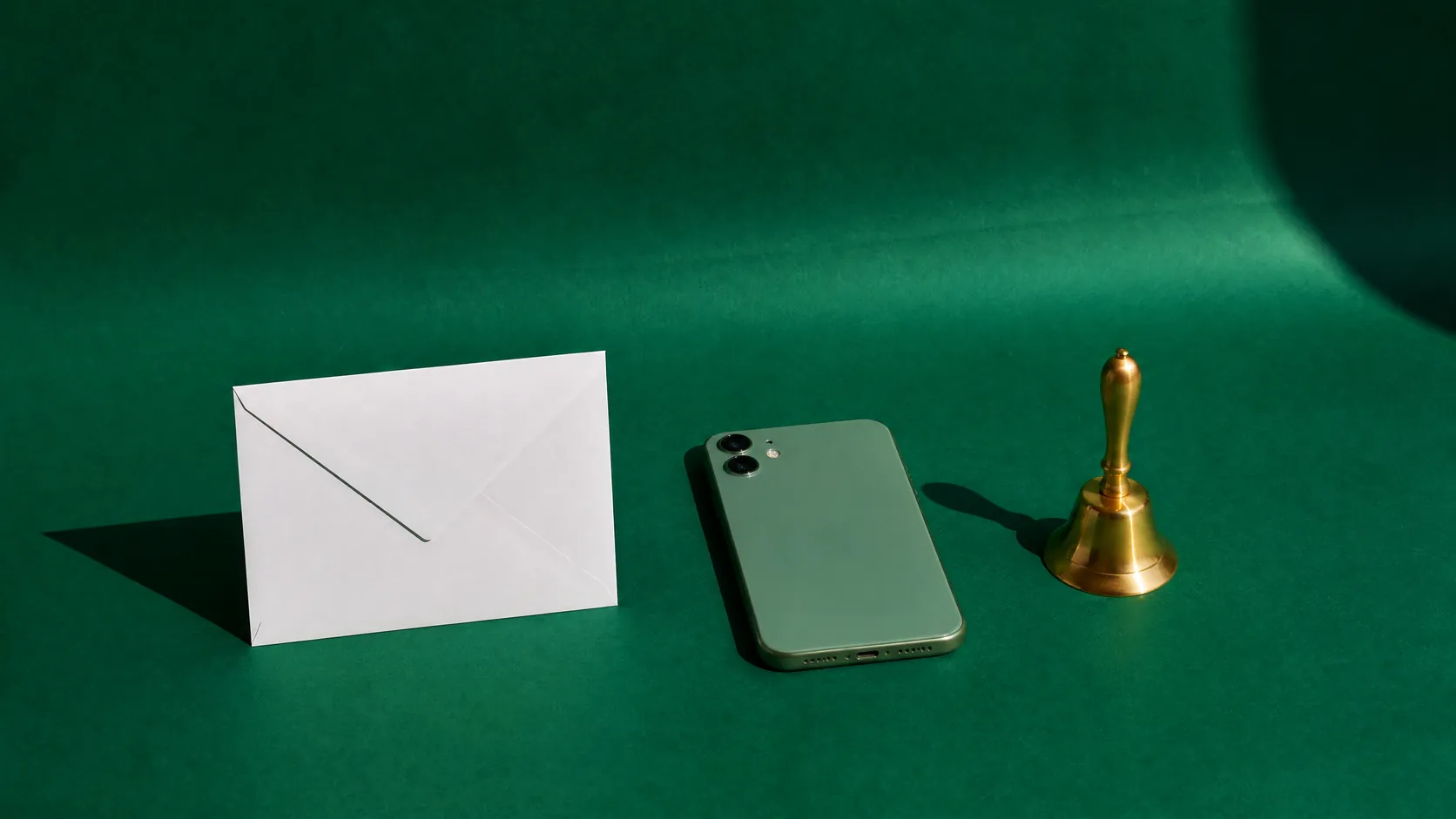
Email, SMS and push notifications give you ways to stay in that conversation. They can introduce something new, answer a product question or make a routine reorder easier. Each reaches customers in a different setting, with different expectations about what belongs there.
Choosing your mix is therefore about more than comparing engagement rates. You need to consider who you can reach, what you want to say and whether the extra contact is worth its cost. Here's where each channel fits.
What's the difference between email, SMS and push marketing?
Email arrives in an inbox, SMS arrives as a text message and push appears as a notification from an app or subscribed website. All three can support first purchases and repeat business, depending on the audience and message.
Their most useful differences are the space available for the message, the way customers subscribe and the experience after they tap through.
| Channel | Where it works well | Reach requirements | Costs to consider |
|---|---|---|---|
| Product education, newsletters, launches and lifecycle messages | An email audience eligible to receive your marketing | Platform, audience size, send volume and production | |
| SMS | Concise updates, requested alerts and selected timely offers | Customers subscribed to text marketing in supported markets | Message volume, destination, message length, carrier fees and platform costs |
| App push | Useful reminders and direct access to an existing shopping app | Customers with your app and notifications enabled | App, messaging platform, integration and ongoing operation |
| Web push | Bringing subscribed visitors back to your store | A supported browser or web app and notification permission | Push platform, audience size and implementation |
Email, SMS and push are often called owned channels because you build an audience you can contact directly. That gives you more control over the relationship, although delivery still depends on inbox providers, carriers, browsers and operating systems.
Email: space to explain and build familiarity
Email gives you room for the information a customer needs before deciding to buy. You can show several products, explain a difference between materials or share a useful guide without squeezing everything into one sentence.
That flexibility makes it a sensible starting point for many stores. A single program can introduce new subscribers to the brand, help buyers use their purchase and keep established customers informed about relevant releases.
For example, a cookware brand could send a first-time customer a short guide to caring for their new pan. Later emails might include recipes and compatible accessories. The content gives the customer a reason to stay subscribed between purchases.
Automated emails are especially useful when there's a clear trigger. In Klaviyo's 2026 email benchmarks, flows generated nearly 41% of attributed email revenue from 5.3% of sends. That makes welcome, recovery and post-purchase flows worthwhile places to examine before simply increasing campaign volume.
The work doesn't end when the automation is switched on. Product links, offers, stock and the sequence itself need attention as your store changes. Planned campaigns also give you room to talk about something that an evergreen flow can't cover, such as a new collection or a seasonal buying guide.
SMS: a short message with a clear reason to arrive
A text puts your message in a more personal part of the customer's phone. That can be useful for an update they're waiting for, but it also raises the standard for why you're contacting them.
A requested restock alert, early access for interested subscribers or a reminder about a genuine offer deadline can all fit the format. The message should identify your brand, explain the reason for the text and provide one clear next step.
For a hypothetical clothing brand, a restock text might read:
Your size is back. The olive linen shirt is available in medium again. Shop your size: [product link]
The customer doesn't need a manufactured emergency. The availability of something they asked about is already a useful reason to act.
SMS also deserves closer attention to sending costs. A campaign can involve multiple billable message segments, and costs vary across destinations and providers. Sending to a smaller, more relevant audience may produce a better return than texting everyone you can reach.
Measure clicks, orders and contribution after messaging costs. Standard SMS doesn't provide read receipts, so the widely repeated claim that almost everyone opens a text isn't a metric your campaign can reliably report. Twilio's delivery documentation distinguishes delivery status from read receipts available on supported messaging channels.
Push: a convenient return to your app or store
Push notifications work well when a short message leads directly to something useful. That could be a saved product becoming available, a reward the customer can use or the next item in a routine they already follow.
App push is particularly relevant when customers already shop through your app. A tap can take them to the product, their account or another specific screen, making it easy to continue the interaction.
The audience is narrower than everyone who visits your website. Customers need the app and notification permission before you can reach them this way. That makes the size and activity of your existing app audience an important part of the decision.
Web push reaches subscribers through a supported browser or web app. On iPhone and iPad, web push requires a Home Screen web app on supported versions starting with iOS and iPadOS 16.4. That adds a step to audience building compared with a simple email signup.
Push can be inexpensive to send at volume, depending on your provider. The app, software and work required to run the program still belong in the cost calculation. If you're considering it for your store, our guide to ecommerce push notifications explains the setup and practical uses in more detail.
Which channel should you prioritize?
Your current audience and the job you need a message to do are good starting points. You don't need to introduce all three channels at once to have an effective retention program.
If you're building from scratch, email usually offers the broadest range of useful formats without requiring an app. A clear signup offer and a small set of thoughtful lifecycle messages give you a foundation you can improve.
SMS becomes more interesting when customers want brief, timely contact and the resulting orders can cover the send costs. A restock list is a good example of demand that already exists before you send the message.
If you have an app with active customers, push deserves attention because it can bring them back to an experience they've already chosen to use. Building an app is a larger decision, informed by repeat shopping needs and the value of the app itself.
You can also let customers express a preference. Someone who wants a monthly email may have no interest in promotional texts. Making that choice easy gives you a better relationship than treating every subscriber as a target for every channel.
How to compare the results fairly
Raw engagement rates can make one channel look much stronger than another without explaining what happened. A push audience of regular app buyers is different from an email list containing recent subscribers who haven't ordered yet.
Compare similar use cases and customer groups where you can. Look at the revenue and contribution produced, the cost of reaching that audience and whether customers continue to welcome the messages.
Email opens are also an imperfect signal because Apple Mail Privacy Protection can inflate them. Clicks, purchases and unsubscribe trends give you a more useful view when assessing the program as a whole.
When adding another channel, test what it contributes beyond your existing messages. A group receiving email plus SMS can be compared with a similar group receiving email alone. That helps you decide whether the additional orders justify the additional contact and cost.
Once you've chosen the mix, coordinating the messages across channels will help you use it without sending several versions of the same reminder to the same person.
Final thoughts
Email, SMS and push each give you a different way to make the customer relationship easier to continue. Email creates room to explain, SMS suits a concise and relevant update, and push can offer a quick return to your app or store.
The right mix earns its place through useful messages and repeat business. Start with the audience you have, give each channel a clear purpose and let the results guide how the program grows.